Is 7k Metals Worth It? Breaking Down the Benefits and Costs
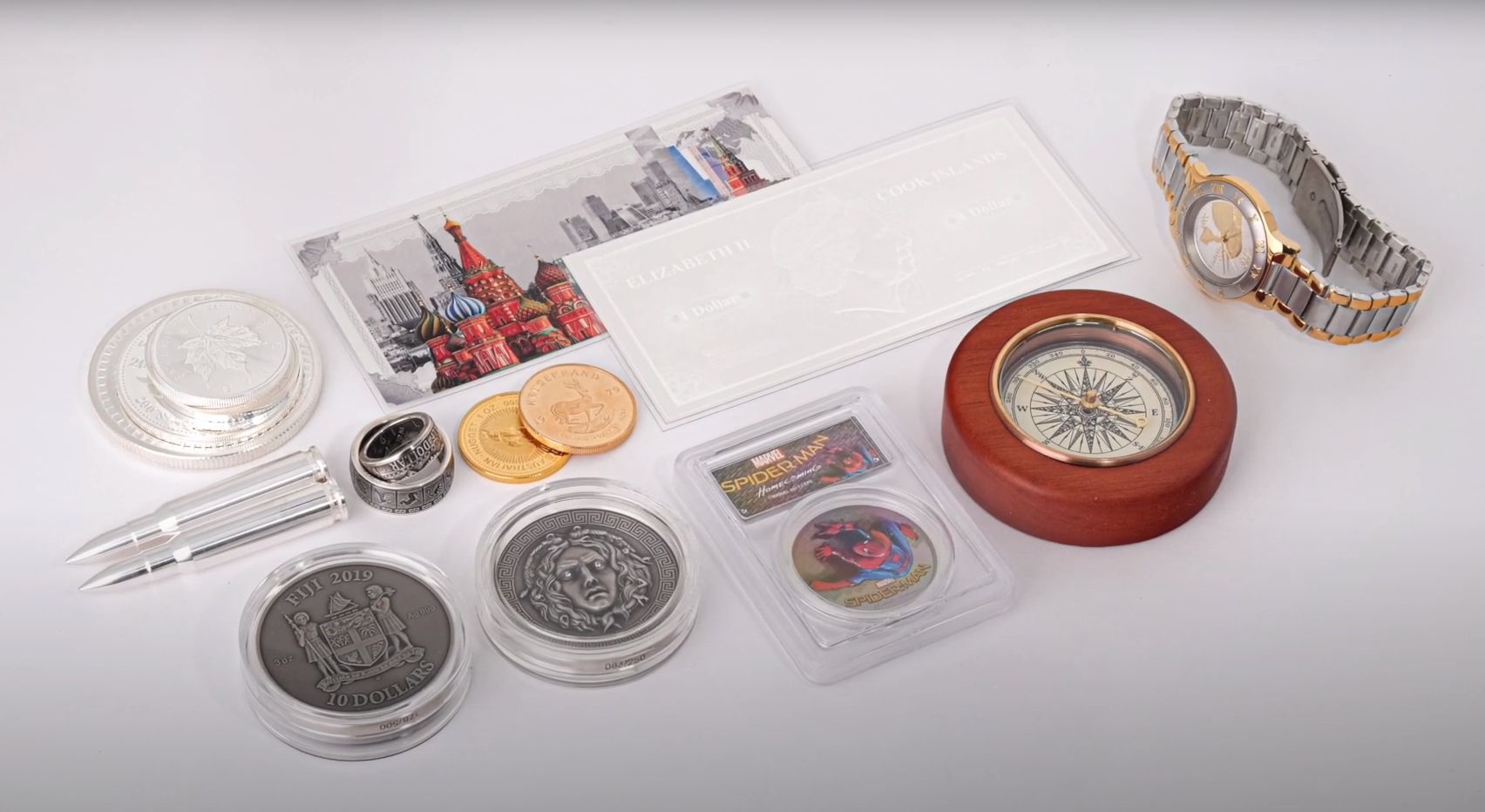
The world of precious metals has long been a subject of fascination and investment. With the promise of financial security and diversification, companies offering opportunities to invest in gold, silver, and other metals are gaining traction. However, understanding whether such investments are worth it demands a closer look at the benefits and costs associated. 7k Metals down these aspects to provide a clearer picture.
The Benefits of Investing in Precious Metals
1. Hedge Against Inflation
Precious metals like gold and silver are often viewed as a safe haven during times of economic uncertainty. Unlike fiat currency, which can lose value due to inflation, metals tend to maintain or even increase their value over time. This makes them a reliable option for preserving wealth during financial downturns.
2. Portfolio Diversification
Diversification is key when it comes to financial planning. Metals offer investors a way to balance their portfolios since their performance often counteracts vulnerabilities in stock markets. For instance, while the stock market might face volatility, gold and silver prices may remain stable or rise, providing much-needed balance.
3. Tangible Assets
Precious metals are physical, tangible assets that hold intrinsic value. Unlike stocks or bonds, which are typically digital paper assets, metals provide the satisfaction of having something you can hold and store securely. This can offer a sense of security and ownership not always associated with traditional investments.
4. Potential Wealth Accumulation
Over the decades, precious metals have shown a steady rise in value. For instance, gold prices increased from an average of around $275 per ounce in 2001 to over $1,800 per ounce in 2023. This steady growth highlights the potential for long-term wealth accumulation for those willing to hold onto their investments.
The Costs and Considerations
1. Upfront Costs
Entering the world of metals investment is not cheap. Purchasing metals like gold can come with a hefty upfront cost. Additionally, the markup on physical metals might vary, which can impact the total expense of acquisition.
2. Storage and Security
Physical metals require safe storage, often through secure vaults or safes. Some investors choose professional storage options, which come with annual fees. These costs should be factored into the overall investment decision.
3. Market Volatility
Although metals are commonly seen as safe assets, their prices are not immune to fluctuations. Economic conditions, political events, and global demand can influence market trends. Investors should be aware of these fluctuations when entering the market.
4. Lack of Passive Income
Precious metals do not produce interest or dividends, unlike stocks, bonds, or real estate. The value lies in long-term appreciation, which means potential investors need patience and a well-strategized financial plan.
Is It Worth It?
Investing in precious metals has both advantages and challenges. While it offers a hedge against inflation, portfolio diversification, and tangible ownership, it also comes with costs like storage fees and market volatility. Whether this kind of investment is worth pursuing largely depends on your financial goals, risk tolerance, and investment strategy. Thorough research and understanding the market are crucial steps before committing to precious metals as part of your portfolio.